AI That Tests Your Software
A QA agent is an AI tester that explores your website or app the way a real person would — clicking through it, trying things, and reporting what looks broken — instead of following a fixed script. DevMations builds these to catch the problems your existing tests were never written to look for.
Also called QA agents · autonomous testing · AI-driven QA · self-healing tests
Why teams call us about this
Your automated tests only check the things someone thought to check. So the bugs that reach customers are, almost by definition, the ones nobody imagined. Meanwhile the tests you do have break every time the design changes, until the team quietly stops trusting them and just clicks "run again".
What you get out of it
- Bugs get found by a tester that never gets bored, at 3am, before customers do
- Less time spent maintaining tests that break for no real reason
- A clear report of what was tested, so coverage is a fact rather than a feeling
What you actually receive
Working software and documentation — not a report recommending that somebody else build it.
AI testers for your key journeys
They work through signup, checkout, or whatever actually makes you money — varying what they try, the way a real customer does.
Tests that stop breaking constantly
They find buttons and fields the way a person does, so renaming something in the design does not cause an afternoon of false alarms.
Sorted results, not a wall of red
Each failure is automatically classified as a genuine bug, an environment problem, or a flaky test — which is the work that quietly eats most QA time.
Bugs your developers can act on immediately
Every finding arrives with a video, the exact steps, and what should have happened — so nobody has to reinvestigate from scratch.
A coverage report
What was actually exercised, mapped against your real customer journeys.
The engagement
- 01
We find what matters commercially
An AI diligently testing your settings page while checkout is broken is worse than useless. We start from the journeys that make or lose you money.
- 02
We teach it what wrong looks like
Every product has its own definition of a broken screen. That has to be specified, not assumed.
- 03
We run it alongside your existing tests
For a trial period, so you can compare what it finds and see the noise level before it has any power to stop a release.
- 04
We turn it on properly
Once it has earned trust, it runs on every release, with a clear route for your team to handle what it reports.
Under the hood
The specifics, for whoever on your side will be reviewing this. If that is not you, nothing below changes what you get — skip to the work.
- Agent harness
- Playwright-driven browser control with accessibility-tree state observation, so the agent reasons over semantic structure rather than raw pixels or brittle CSS selectors.
- Oracles
- Product-specific correctness checks — visual regression, invariant assertions, and model-judged screen state — since "looks wrong" has to be defined per application.
- Failure triage
- Automatic classification into genuine regression, environment fault, or flake, with confidence scores. Precision measured during shadow-run before the agents gate anything.
- Artefacts
- Playwright traces, video, DOM snapshots and a minimal reproduction attached to every finding, wired into your issue tracker.
- Cost control
- Token spend budgeted per run. Expensive exploratory passes scheduled nightly; cheap deterministic checks on every commit.
What we use
- Playwright
- Anthropic Claude
- OpenAI
- TypeScript
- GitHub Actions
- Docker
Where we have done this
Live deployments you can open.
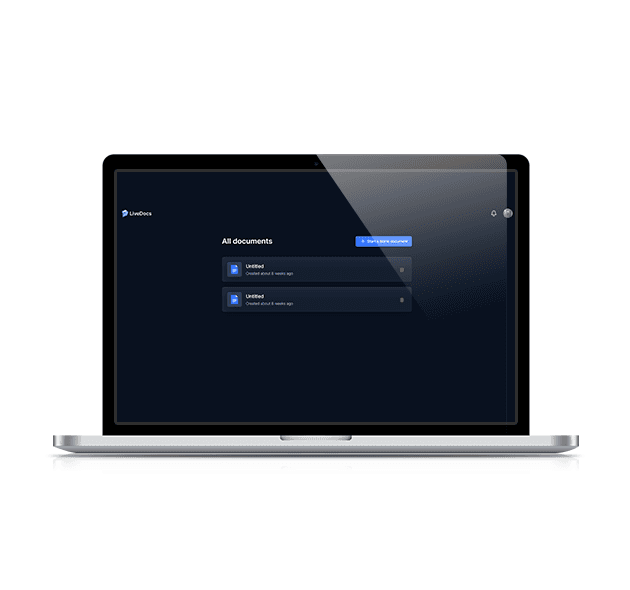
DocuFlex
A collaborative document editor with authentication, multi-format upload, real-time editing and share links.
Open live site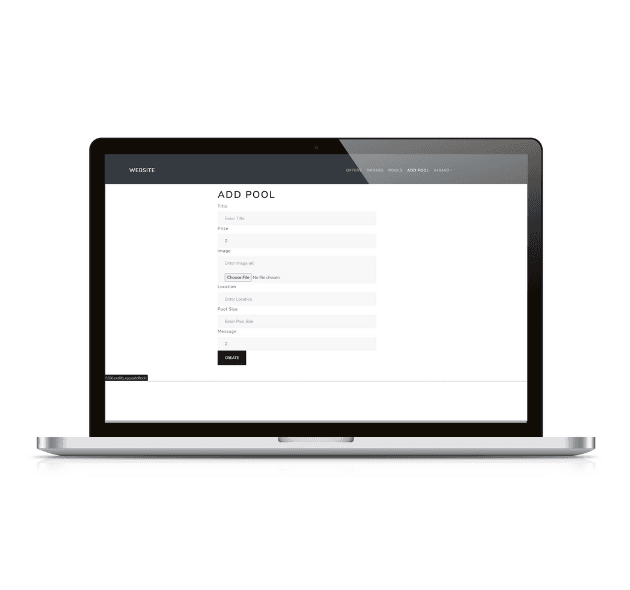
TechHireHub
A two-sided marketplace matching businesses with technicians, covering profiles, job posting and booking.
Open live site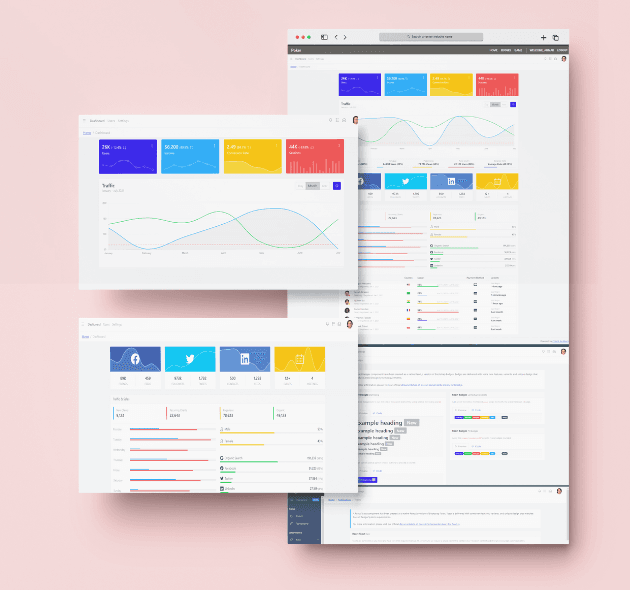
Analytics Dashboard
A configurable reporting dashboard with authentication, role-based views and interactive data visualisation.
Open live siteAI Software Testers — questions
- Does this replace our existing tests?
- No, and be careful of anyone who says it does. Your existing tests are fast and cheap and should stay on the critical paths. The AI testers cover the wider territory around them, where the bugs nobody predicted actually live.
- Will it flood us with false alarms?
- That is the main risk, so we handle it explicitly. There is a trial period where a person reviews everything it reports and we measure how often it is right. It only gets the power to block a release once that figure is good enough to trust.
- What does it cost to run each month?
- We set a budget from the start and design to it — typically by running the thorough, expensive passes overnight and the quick checks continuously. You get the projected monthly figure before we build anything.
- Do we need developers to maintain it?
- Far less than a conventional test suite, which is much of the point. Someone still needs to review what it reports, but that is triage rather than test maintenance.
Thinking about AI Software Testers?
Describe what you have and what is going wrong with it. We will tell you what we would do first, and whether it is worth doing.
Book a call